

As global crude oil prices remain under pressure due to tensions in West Asia, Prime Minister Narendra Modi’s ongoing five-nation diplomatic tour has brought India’s energy security strategy into sharp focus. While consumers may be hoping for immediate relief in petrol, diesel and LPG prices, experts believe the benefits of these agreements are likely to be long-term rather than instant.
India imports nearly 85 percent of its crude oil requirements, making the country highly vulnerable to disruptions in global energy markets. Rising geopolitical tensions, particularly around the Strait of Hormuz, have once again raised concerns about fuel inflation and supply disruptions.
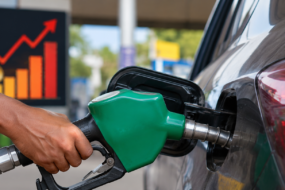
Brent crude prices have already surged well above earlier projections, increasing pressure on India’s economy. Higher crude costs eventually affect petrol, diesel, LPG cylinders, transportation expenses and overall inflation. Last week, fuel prices in India were increased by Rs 3 per litre for petrol and diesel, reflecting the growing strain on oil marketing companies.
Among all the diplomatic engagements during PM Modi’s tour, the UAE visit emerged as the most significant from an energy perspective.
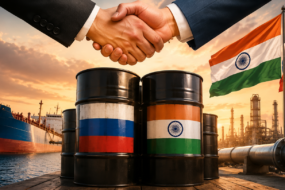
India and the UAE signed several important agreements focused on long-term LPG supplies, strategic petroleum reserves, crude oil storage expansion and wider energy cooperation. Reports suggest that Abu Dhabi National Oil Company (ADNOC) could significantly expand crude storage capacity in India under the new arrangements.
The agreements are also particularly important for LPG security, as India remains one of the world’s largest importers of cooking gas.
However, experts caution that such diplomatic deals do not directly or immediately reduce fuel prices at petrol pumps. Retail fuel prices in India continue to depend on several factors including international crude prices, refining costs, taxes and currency exchange rates.
Even so, the agreements may still offer important long-term advantages.
One major benefit is improved supply stability. Long-term contracts with trusted partners reduce uncertainty during geopolitical crises and ensure uninterrupted fuel availability even during global disruptions.
The expansion of India’s strategic petroleum reserves is another key element. These reserves act as emergency crude oil stockpiles that can be used during supply shocks or sudden price spikes. By strengthening these reserves with UAE cooperation, India hopes to better manage future energy crises and reduce market panic.
Long-term LPG agreements could also help households by ensuring stable cooking gas supplies during periods of international instability. While this may not immediately lower cylinder prices, it can help prevent extreme volatility and shortages.
The UAE has also become an increasingly important energy partner for India because of its evolving role in global oil markets. Analysts believe the UAE may gain greater flexibility in oil production after stepping away from OPEC+ arrangements, potentially allowing it to increase output more independently in the future.
India is simultaneously trying to diversify its energy sourcing by increasing purchases from multiple countries rather than depending heavily on any single region.
Despite these efforts, experts warn that global oil markets remain unpredictable. Continued conflicts, shipping disruptions or sudden spikes in global demand could still push prices higher for Indian consumers.
This is partly why PM Modi recently urged citizens to conserve fuel, use public transport and avoid unnecessary consumption during the current period of global uncertainty.
Government officials indicate that India’s broader strategy is aimed at balancing short-term supply security with long-term energy resilience. While consumers may not see immediate reductions in petrol, diesel or LPG prices, the agreements signed during the tour are expected to strengthen India’s ability to handle future global oil shocks more effectively.
In the long run, this could mean fewer sudden fuel price spikes, more stable energy supplies and reduced inflationary pressure during international crises.
One reply on “PM Modi’s Global Energy Diplomacy Aims to Shield India From Future Fuel Price Shocks”
[…] Originally published on 24×7-news.com. […]
Comments are closed.