

India’s crude oil reserves and energy preparedness have come into focus amid ongoing global tensions affecting supply chains. The government has shared updated data on the country’s strategic petroleum reserves (SPRs) and overall energy security.
Current Strategic Reserves Status
According to Minister of State for Petroleum Suresh Gopi, India’s three strategic petroleum reserves currently hold approximately 3.372 million tonnes of crude oil, which is about two-thirds of their total capacity.
These underground storage facilities, located in Andhra Pradesh and Karnataka, have a total capacity of 5.33 million tonnes. However, the minister clarified that reserve levels may fluctuate depending on market conditions such as consumption patterns and supply availability.
Total Energy Reserve Coverage
When combined with stocks held by oil marketing companies — including refined fuels like petrol and diesel — India’s total energy reserves currently provide a buffer of around 74 days.
At full capacity, the existing strategic reserves alone can sustain the country’s crude requirements for roughly 9.5 days during supply disruptions.
Expansion Plans Underway
To strengthen energy security, the government is expanding its strategic storage capacity by an additional 6.5 million tonnes.
- A new facility in Odisha will add around 4 million tonnes
- Existing storage in Karnataka is being expanded by 2.5 million tonnes
These additions aim to enhance India’s ability to handle global supply shocks more effectively.
Dependence on Imports
India, one of the world’s largest energy consumers, relies heavily on imports to meet its crude oil needs. The country requires an estimated 5.5 to 6 million barrels per day, with nearly 88–90% of demand met through imports.
A significant portion of these imports traditionally comes from Gulf countries such as Iraq, Saudi Arabia, the UAE, and Kuwait.
Impact of Strait of Hormuz Disruptions
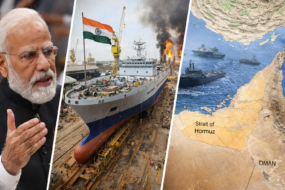
The Strait of Hormuz remains a critical chokepoint for global oil trade, with nearly 20% of the world’s crude supply passing through it daily.
Recent geopolitical tensions have disrupted tanker movement through this route, impacting supplies to India and other major Asian economies. Before the conflict, around 40% of India’s crude imports passed through this corridor.
Diversification of Supply Sources
To reduce dependency on a single region, India has diversified its energy import sources over the years. The number of supplier countries has increased from 27 to 41 nations.
New suppliers include the United States, Nigeria, Angola, Canada, Brazil, Mexico, and Colombia — many of which offer routes that bypass the Strait of Hormuz.
Balancing Cost and Security
Despite diversification, oil transported via the Strait of Hormuz remains the most cost-effective option. Therefore, ensuring the security and continuity of this route remains crucial for India’s energy strategy.
The government has also emphasised diplomatic efforts to maintain safe shipping lanes and minimise disruptions in energy supplies.
Outlook
While India’s current reserves and diversification strategy provide a degree of protection, prolonged instability in key global energy routes could pose challenges. Strengthening domestic storage capacity and securing international supply lines will remain key priorities in the coming years.


One reply on “India’s Crude Oil Reserves Explained: Current Stock, Capacity Expansion & Supply Risks”
[…] Originally published on 24×7-news.com. […]