

New Delhi: As Prime Minister Narendra Modi meets Russian President Vladimir Putin for a private dinner in New Delhi tonight, global attention—especially from the White House—is sharply focused on the outcome. This is Putin’s first India visit since 2021 and comes at a moment of intense geopolitical friction involving oil sanctions, war diplomacy, and competing global alliances.
Washington has repeatedly expressed concern over India’s continued purchase of discounted Russian oil and the growing push within BRICS for non-dollar trade settlement mechanisms. These issues are now seen as “strategic irritants” in US–India relations.
The Biden–Trump administration position (depending on transition phases) indicates that India must reduce Russian oil imports if it seeks relief from high tariffs imposed on Indian exports. Moscow, on the other hand, believes that American pressure will shape the next chapter of India–Russia relations.
A Meeting Loaded With Global Stakes
Putin’s December 4–5 trip is more than a routine bilateral summit—it’s a real-time test of India’s balancing act between its long-standing defence partner Russia and its largest export market, the United States.
Analysts say India must secure affordable energy without triggering American retaliation. Any misstep could lead to trade penalties or further sanctions on Russian-linked imports.
Strategic expert Dr. Brahma Chellaney calls Putin’s visit a “geopolitical statement,” asserting that India refuses to choose between rival blocs and insists on charting an independent foreign policy trajectory.
Key Issues on the Table
1. Oil Diplomacy Under Pressure
After Trump’s 50% tariff hike and targeted sanctions on Russia’s oil giants Lukoil and Rosneft, Indian refiners such as Reliance and Adani have already reduced Russian crude purchases.
Moscow is expected to seek India’s support for technical assistance in its oil sector, while New Delhi may push for restoration of ONGC Videsh’s diluted stake in the Sakhalin-1 project and clarity on long-term crude supply arrangements.
2. Dollar-Free Trade and Rupee Settlement
Russia may push for rupee-based trade to bypass dollar restrictions. Sberbank is already piloting rupee-denominated letters of credit.
The US views this as a threat to American financial dominance and may respond with restrictions on dollar-clearing access.
3. Defence Agreements
India may pursue:
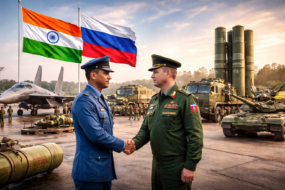
- Purchases of Russia’s Su-57 fifth-generation fighter jets
- Additional missile defence systems
Since over half of India’s military platforms remain Russian-origin, the defence partnership remains critical—but closely watched by Washington.
A Defining Moment for India’s Global Role
The outcome of the Modi–Putin meetings could reshape India’s energy security strategy, defence procurement path, and its position in the emerging post-2022 global order. It is a fine balance between autonomy, affordability, and geopolitical risk—one that the US, Russia, and the world are watching closely.
One reply on “Why Modi–Putin Dinner Has Put the White House on Alert: India’s High-Stakes Balancing Act”
[…] Originally published on 24×7-news.com. […]
Comments are closed.