

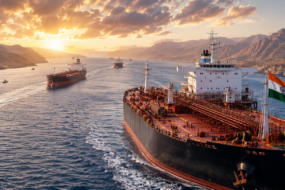
Fresh hopes of a possible diplomatic breakthrough between the United States and Iran lifted global energy market sentiment on Wednesday as oil tankers resumed limited movement through the Strait of Hormuz after months of severe disruption.
Shipping data showed that two Chinese supertankers carrying nearly four million barrels of Iraqi crude successfully exited the strategically critical waterway, raising optimism that tensions in the region may gradually ease.
The positive developments followed remarks by US President Donald Trump and Vice President JD Vance suggesting that negotiations with Iran were progressing toward a potential agreement.
Speaking at the White House, Trump claimed the conflict could end “very quickly” and revealed that he had paused plans for renewed military action after receiving a fresh proposal from Tehran aimed at ending hostilities.
Vice President Vance also struck an optimistic tone, stating that Washington believed it was in a “pretty good spot” regarding ongoing discussions, although he admitted negotiations remained complicated due to divisions within Iran’s leadership.
The Strait of Hormuz, through which nearly one-fifth of global oil supplies normally pass, has faced major shipping disruptions since the conflict escalated earlier this year. The crisis triggered sharp increases in oil prices, disrupted energy supply chains and placed pressure on economies heavily dependent on crude imports.
The resumption of tanker traffic is being closely watched by global markets. Oil prices briefly eased following the latest diplomatic signals, with Brent crude falling before recovering part of its losses as investors continued to assess the possibility of a broader agreement.
According to reports, Iran’s latest proposal reportedly includes ending military hostilities across the region, lifting sanctions, releasing frozen assets and reducing the American military presence near Iranian territory. Iranian officials have also demanded compensation for damages caused during the conflict.
Iranian leaders have maintained that any future military action against the country would trigger a strong response. Meanwhile, Washington continues to insist that its objectives include limiting Iran’s nuclear capabilities, reducing regional militia influence and preventing further instability in the Middle East.
Despite the ceasefire largely holding in recent months, security concerns remain high across the Gulf region. Drone activity and proxy tensions continue to create uncertainty around regional shipping routes and energy infrastructure.
The conflict has had a major impact on global energy markets, delaying tanker movements and disrupting oil exports from the Gulf. Countries such as India, China and several European nations have been closely monitoring the situation because of their dependence on Middle Eastern crude supplies.
Analysts say the reopening of Hormuz shipping lanes, even partially, could help stabilise oil prices and ease pressure on global fuel markets if diplomatic negotiations continue to progress.
One reply on “Oil Tankers Resume Hormuz Transit as Trump Signals Possible Iran Peace Deal”
[…] Originally published on 24×7-news.com. […]
Comments are closed.