

Concerns over a potential global fuel crisis are intensifying as new emergency energy guidelines issued by the International Energy Agency have triggered widespread debate and comparisons to pandemic-era restrictions.
The guidelines, outlined in a report titled “Sheltering from oil shocks,” aim to help countries reduce fuel consumption if supply disruptions worsen due to ongoing tensions in the Middle East.
Key Measures Proposed
The recommendations focus primarily on cutting oil usage, especially in transportation. Suggested measures include:
- Encouraging remote work wherever possible
- Reducing highway speed limits by at least 10 km/h
- Promoting public transport over private vehicles
- Supporting carpooling and efficient driving habits
- Limiting non-essential air travel
The plan also highlights the need to optimise fuel usage in sectors such as logistics, petrochemicals, and household energy consumption, including alternatives to LPG where feasible.
Public Reaction and ‘Lockdown’ Comparisons
Despite being advisory in nature, the guidelines have sparked strong reactions online. Many users have drawn parallels with restrictions seen during the COVID-19 pandemic, labelling the proposals as a potential “Lockdown 2.”
Critics argue that such measures could disrupt daily routines and limit personal mobility, particularly in urban areas. The strong public response reflects growing resistance to policies perceived as restrictive, even when aimed at managing an energy crisis rather than a health emergency.
Rising Energy Concerns
According to Fatih Birol, the global energy situation could deteriorate further if geopolitical tensions involving Iran continue without resolution. He warned that prolonged instability may significantly impact energy markets and global economies.
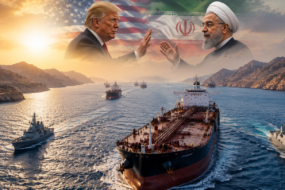
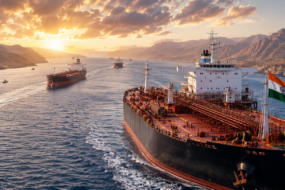
A key concern remains the security of oil shipments through the Strait of Hormuz, a vital route for global energy supplies. Any disruption in this region could tighten supply chains and push governments to adopt demand-reduction strategies more aggressively.
Preparedness vs Public Acceptance
While the IEA’s recommendations are not mandatory, they highlight increasing global concern over energy security. Governments are being urged to stay prepared, even as public sentiment suggests that acceptance of such measures may be challenging.
The situation underscores how geopolitical tensions are beginning to influence everyday life, with energy consumption patterns now at the centre of global policy discussions.
One reply on “Global Fuel Crisis Fears Grow as Emergency Energy Guidelines Spark ‘Lockdown’ Debate”
[…] Originally published on 24×7-news.com. […]
Comments are closed.